

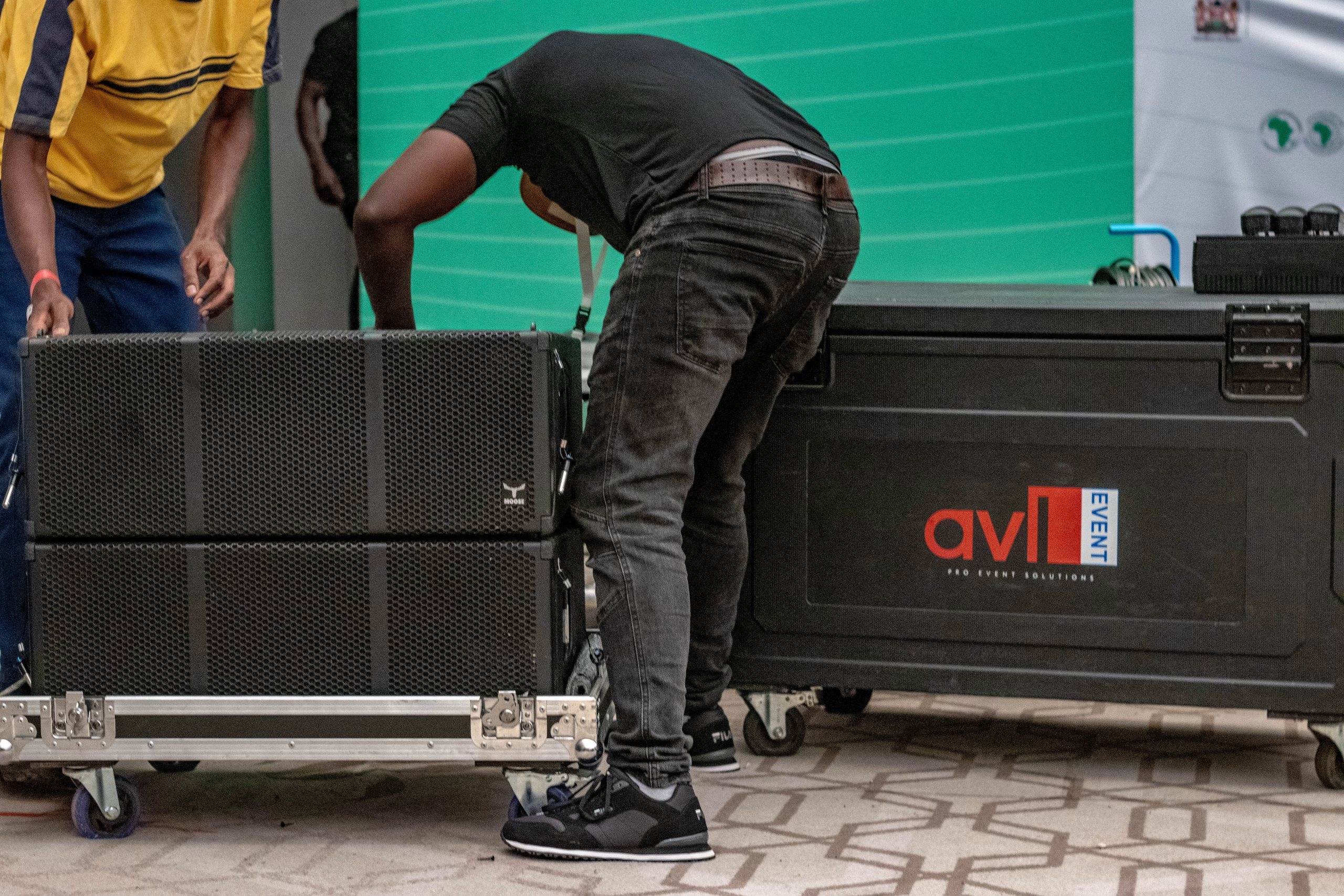

When you’re planning an event — whether it’s a corporate conference, a wedding, a concert, or a church service — one of the most important considerations is the audio-visual (AV) equipment you’ll use. The right AV setup can elevate the experience, enhance the atmosphere, and ensure that your message is heard loud and clear. But for first-time event planners or those unfamiliar with AV technology, choosing the right equipment can feel overwhelming. That’s where we come in.
At Professional AVL, we specialize in providing top-quality AV solutions tailored to your specific event needs. In this guide, we’ll break down the most common AV setups — sound, lighting, and projectors — and help you choose the right equipment to make your event a success.
1. Sound Systems: Ensuring Crystal-Clear Audio
Whether it’s a speech, a live performance, or a business presentation, clear sound is paramount. Choosing the right sound system depends on the size and type of your event, the venue, and your budget.
Types of Sound Systems:
-
PA (Public Address) Systems:
Best For: Small to medium events, such as conferences, seminars, and smaller worship services.
Pros: Cost-effective, easy to set up, portable.
Cons: May lack the depth of sound for larger events, especially in outdoor or very large venues.
Key Tip: Make sure to assess the acoustics of the venue; a smaller PA system may not cover a large room or outdoor area adequately. -
Line Array Systems:
Best For: Large events, concerts, and outdoor performances where clear sound needs to reach a large crowd.
Pros: Powerful, evenly distributes sound across the venue, ideal for large-scale events.
Cons: Expensive and requires more complex setup.
Key Tip: This is the go-to system for festivals, concerts, and other large public events where high-quality audio is essential. -
Monitors and Microphones:
Best For: Events with performances or speakers who need to hear themselves (e.g., concerts, seminars).
Pros: Ensures performers and speakers can hear their voice or music in real-time, allowing for better performance.
Cons: Additional equipment and careful setup required to avoid feedback issues.
Key Tip: Invest in wireless microphones for flexibility, and in-ear monitors for performers to prevent sound bleed.
How to Choose the Right Sound System:
-
Venue Size: The bigger the venue, the more powerful your sound system needs to be.
-
Type of Event: For a seminar or meeting, a simple PA system might be enough. For a concert or large-scale production, you’ll need a more robust setup, like a line array system.
-
Budget: Determine how much you can afford for your sound equipment, and balance it with the scale of your event.
2. Lighting: Setting the Mood and Enhancing the Experience
Lighting isn’t just about illuminating the space — it’s an integral part of setting the tone, highlighting key moments, and enhancing your event’s atmosphere. From soft mood lighting for a wedding to high-powered stage lights for a concert, here’s what you need to know.
Types of Lighting:
-
Basic Stage Lighting:
Best For: Smaller events, indoor conferences, meetings.
Pros: Relatively inexpensive, easy to set up.
Cons: Limited in creating dynamic lighting effects.
Key Tip: Basic stage lighting may be all you need for simpler events, but don’t underestimate its ability to set a professional tone. -
Moving Lights and Spotlights:
Best For: Concerts, performances, and large presentations.
Pros: Dynamic, can highlight performers, create dramatic effects.
Cons: More expensive and requires professional operators to manage.
Key Tip: Use moving lights to highlight performers or speakers and add drama to your event. Spotlights are essential for a live show to focus attention on the right people. -
Ambient and Decorative Lighting:
Best For: Weddings, corporate events, or any event looking to add an extra touch of elegance.
Pros: Creates a warm, inviting atmosphere, enhances the visual experience.
Cons: Requires careful planning to balance with other lighting effects.
Key Tip: For weddings or parties, LED uplights are a great way to add color to walls and create a soft, romantic glow.
How to Choose the Right Lighting:
-
Event Type: For a formal event, you’ll need more ambient and elegant lighting. For concerts or theatrical performances, moving lights and spotlights are essential to bring the energy.
-
Venue Type: Consider natural light — if your event is outdoors or during the day, you may need more powerful artificial lighting to compensate for the lack of sunlight.
-
Ambience: Lighting can set the tone. Soft lighting may create an intimate atmosphere, while bright, flashy lights add energy to a party or concert.
3. Projectors and Screens: Visual Impact for Presentations and Videos
Visuals play a critical role in making your event memorable. From business presentations to wedding slideshows, choosing the right projectors and screens ensures that your visuals are clear, bright, and engaging.
Types of Projectors:
-
Standard Projectors:
Best For: Presentations, slide shows, or video content in small to medium-sized rooms.
Pros: Affordable and easy to use.
Cons: May not be bright enough for large rooms or outdoor events.
Key Tip: For indoor venues, a standard projector will often be sufficient, but ensure it’s powerful enough to deliver bright, clear visuals. -
High-Lumen Projectors:
Best For: Large events, outdoor presentations, or video displays.
Pros: Very bright, can be used for large venues or outdoor projections.
Cons: Higher cost and more complex setup.
Key Tip: These projectors are essential for outdoor events or large venues where lighting might be a challenge. -
LED or Digital Displays:
Best For: Modern, high-tech events where crystal-clear visuals are needed.
Pros: Excellent color clarity, bright, no need for a screen.
Cons: Expensive and requires a professional setup.
Key Tip: If your event needs a large, bright screen with high-quality visuals, consider LED screens instead of traditional projectors.
How to Choose the Right Projector and Screen:
-
Room Size and Layout: A standard projector works well in small rooms, but if you’re in a large hall, you’ll need a high-lumen projector to project sharp, visible images.
-
Video Content: For video-heavy events (like a product launch), ensure you have a high-quality projector for vibrant visuals.
Final Tips for Choosing Your AV Equipment:
-
Consult an Expert: If you’re unsure about what’s best for your event, consider working with an AV professional to guide you in making the right choice. At Professional AVL, we can help you design and implement a custom solution that fits your needs and budget.
-
Test Before the Event: Always test your AV setup before the event to troubleshoot any technical issues. It’s better to spot problems beforehand than on the big day.
-
Consider Future Use: If you’re planning multiple events, investing in higher-end equipment might be more cost-effective in the long run.
Ready to Make Your Event a Success?
Choosing the right AV equipment for your event can be the difference between a great experience and a forgettable one. At Professional AVL, we offer expert advice, top-tier equipment, and seamless integration to ensure your event goes off without a hitch.
Contact us today to discuss your next event and let us help you select the right AV equipment for your needs. Whether you’re hosting a corporate meeting or a live concert, we’ve got the solutions to make your event unforgettable.

