

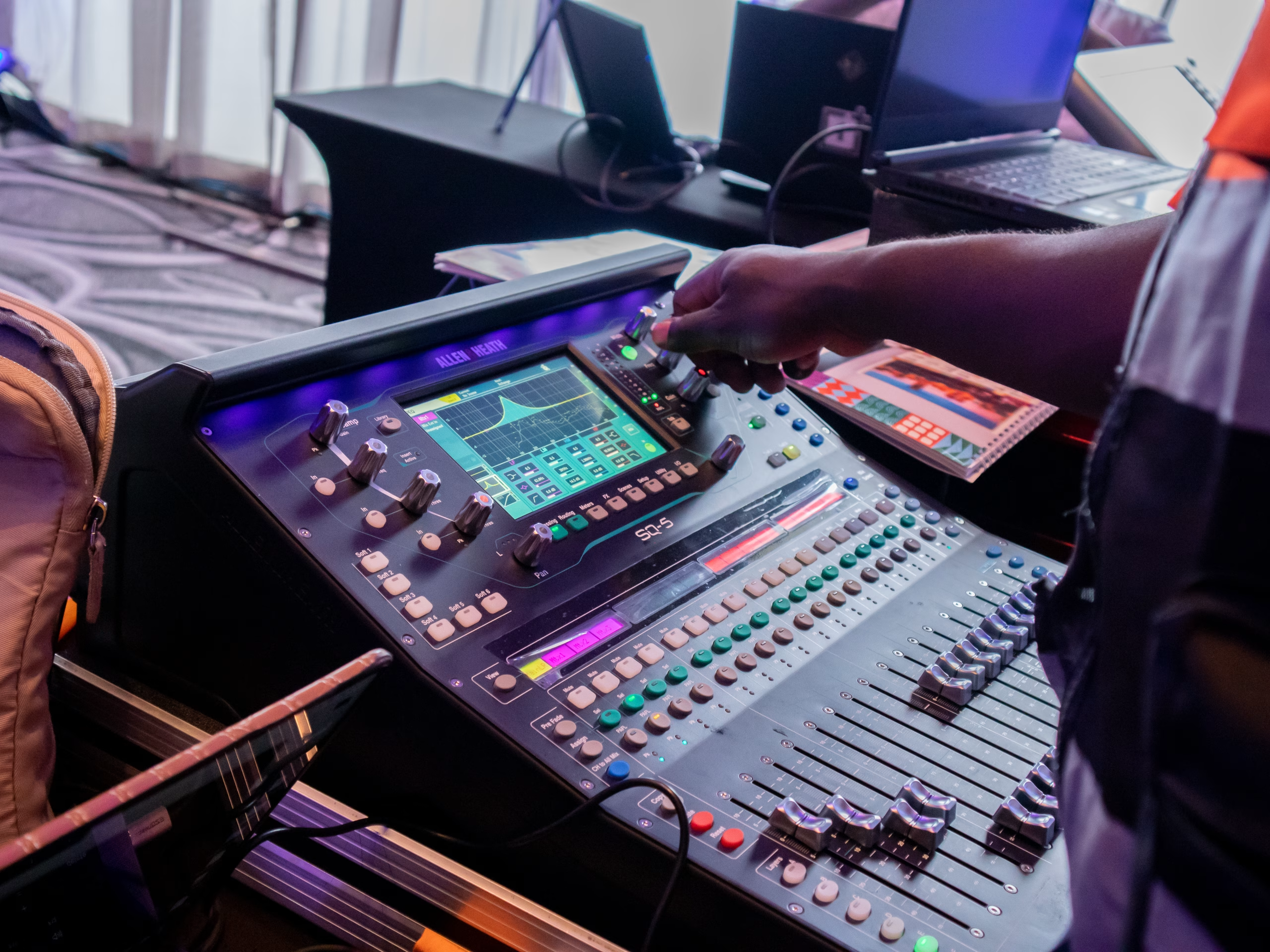

In today’s world, audiences crave experiences that engage their senses and take them on a journey beyond the ordinary. Whether it’s a live concert, a worship service, or a branded event, immersive experiences have become a key element in captivating and retaining the attention of an audience. Audio-Visual (AV) technology plays a pivotal role in crafting these dynamic and transformative moments. By expertly blending sound, lighting, and video, AV technology creates an atmosphere where participants are not just passive observers but active participants in an unforgettable experience.
In this article, we’ll explore how AV technology for experiences is changing the game for event organizers, performers, and businesses, and why event experience design is essential for creating memorable and impactful moments.
What is an Immersive Experience?
An immersive experience goes beyond traditional entertainment. It’s about creating an environment where the boundaries between the physical world and the digital, sound, or visual elements disappear, allowing the audience to feel fully present and engaged. It pulls them into a narrative, making them feel like they are part of the experience. In essence, it transports them to another world.
Think of a concert, where the combination of loud, pulse-pounding music, stunning visuals, and synchronized lighting makes you feel like you’re part of the performance. Or a worship service, where the right sound system and lighting help evoke deep emotion and connect the congregation to a spiritual atmosphere. In branded experiences, it might be a product launch event where the visual projections, interactive displays, and surround sound create a memorable, larger-than-life event that enhances the brand’s story.
In all these examples, audio-visual technology is the magic that binds everything together, creating environments that leave lasting impressions.
The Role of AV Technology in Immersive Experiences
1. Sound: The Heartbeat of Engagement
Sound has the power to stir emotions, set the tone, and immerse the audience in ways other senses can’t match. When it comes to creating an immersive experience, the sound is more than just music or voice — it’s the soundscape of the environment. Whether it’s the crisp clarity of a speaker’s voice in a conference hall or the deep bass reverberating through a concert arena, sound is essential in establishing the atmosphere.
-
3D and Surround Sound: Technologies like Dolby Atmos and surround sound systems take the sound experience a step further, surrounding the audience with multi-directional sound. This level of immersion makes the listener feel as though they are inside the action. In a concert, this could mean the sound coming from different points of the venue — from behind, above, and around them — making the experience more dynamic and realistic.
-
Audio-Visual Synchronization: Music, sound effects, and spoken word can be synchronized with lighting and video for a unified sensory experience. This creates a seamless flow that heightens the impact of the event, ensuring that every sound is timed to perfection with the visual and lighting elements.
2. Lighting: Setting the Mood and Guiding Attention
Lighting in immersive environments is far from being just a functional necessity — it’s a powerful storytelling tool. The way a space is lit can dramatically alter the mood and energy of an event. From subtle, soft lighting that creates an intimate atmosphere to dramatic, vibrant lights that inject energy into a performance, lighting serves as an integral part of the audience’s experience.
-
Dynamic Lighting: In concerts and live events, lighting is used to enhance the rhythm and tempo of music. In worship services, it can shift the spiritual tone of the atmosphere — dimmed lights to focus attention on a particular moment or bright lights to create a sense of joy and energy.
-
Interactive Lighting: Modern lighting setups go beyond simply illuminating the space. Advanced LED technology and programmable lighting allow for interactive experiences where lighting reacts to the movements of performers, the beats of music, or even audience engagement.
3. Video: Visual Storytelling at Its Best
Video is the visual anchor of any immersive experience. Whether it’s a projection mapping at a product launch, live feed of a performance, or dynamic graphics accompanying music, video allows you to paint a picture, tell a story, and enhance the atmosphere of the event.
-
Projection Mapping: This form of video projection is increasingly used in immersive experiences to turn objects, walls, or even entire buildings into moving canvases of light and color. The projection creates an illusion, making the physical space transform, adding depth, and evoking awe from the audience.
-
Live Streaming and Screen Displays: Video doesn’t just stay on the walls or the stage anymore. Interactive screens and live streaming provide another level of engagement, allowing virtual participants to become part of the event while those physically present can interact with content on multiple displays.
4. AV Integration: Bringing It All Together
When sound, lighting, and video come together, they don’t just coexist — they form a cohesive and powerful narrative that moves and engages the audience. AV integration ensures that all these elements work seamlessly, creating a fluid and immersive experience that feels natural rather than disjointed.
Professional AV integrators, like Professional AVL, are experts in designing these interconnected environments. They assess the venue, understand the vision of the event, and tailor the AV technology to create an environment where each element complements the others.
From venue design and equipment setup to live event production, AV specialists ensure that everything — from sound checks to lighting cues — aligns perfectly, delivering an experience that transports the audience into another world.
How Immersive Experiences Can Elevate Events
1. Concerts and Performances
For musicians and performers, immersive experiences provide an opportunity to not just perform but to connect with the audience. By creating an environment where sound, lighting, and visuals work together to tell a story, performers can elevate the emotional impact of their show, making it more memorable for the audience.
2. Corporate and Branded Events
For businesses, immersive experiences can make a product launch or corporate event more impactful. The integration of video projections, interactive displays, and tailored sound designs can captivate attendees and leave a lasting impression, effectively enhancing brand storytelling.
3. Worship Services
In worship, AV technology can enhance spiritual experiences, helping to create an environment conducive to reflection, prayer, and connection with the divine. The sound systems, ambient lighting, and video projections support the emotional tone of the service and help congregants engage with the message in a more profound way.
Conclusion
Immersive experiences are about much more than just the event itself. They create an environment where audiences become part of the experience, where every sound, every light, and every visual element work together to engage, entertain, and inspire.
With the right AV technology for experiences, you can transform your next event into something truly unforgettable — a space where the audience is not just watching, but living the moment. Whether it’s a concert, corporate event, or worship service, integrating advanced AV systems can elevate the experience and leave a lasting impression that resonates long after the event ends.
If you’re ready to take your events to the next level, Professional AVL is here to help you design and create immersive environments that leave your audience awe-struck.
Ready to make your next event an immersive experience?
Contact us today and let us help you craft a world that will captivate your audience!

